
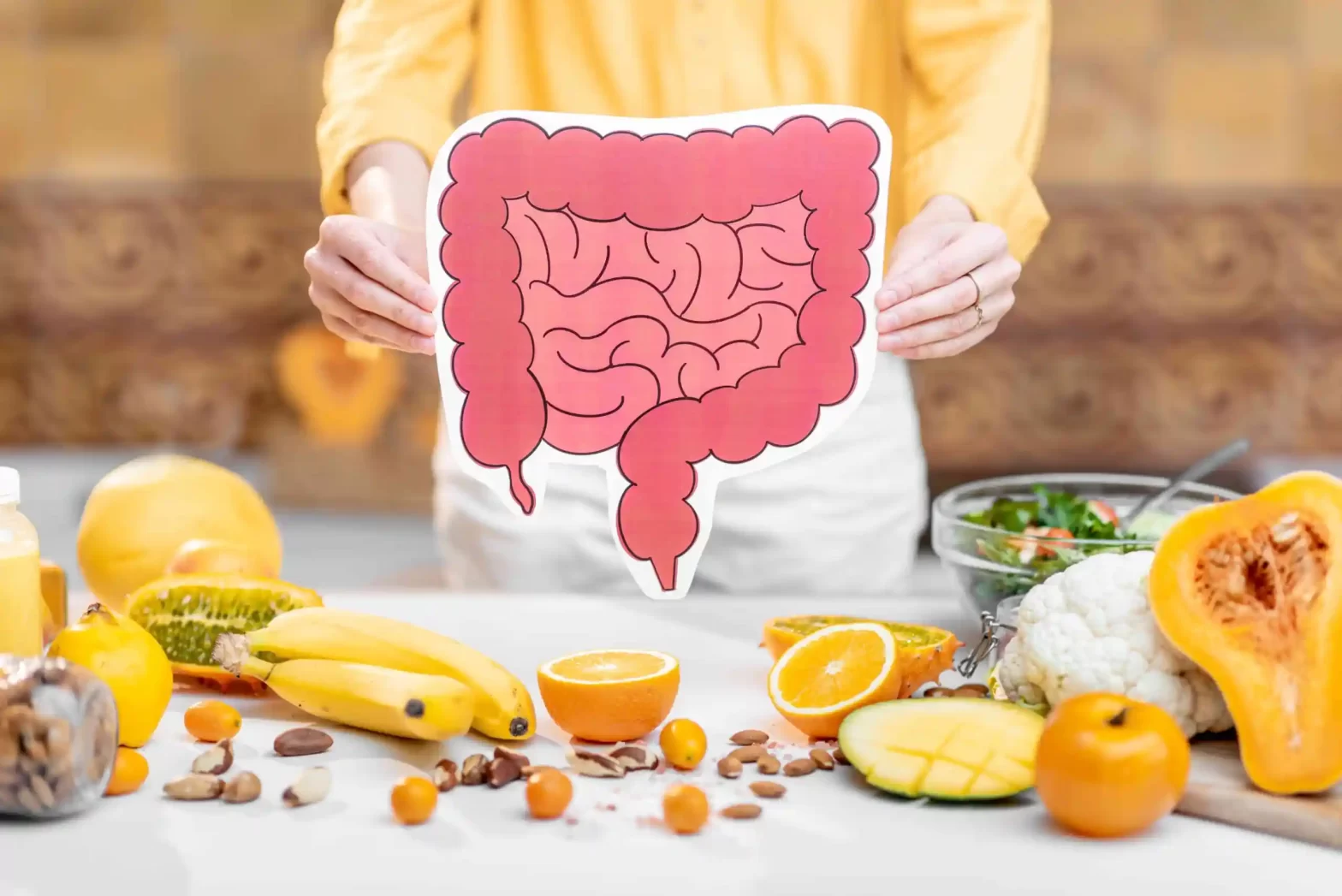
Finding foods that will not cause your patients unpleasant flare-ups such as bloating, constipation, diarrhoea, or abdominal pain can be relieving. Fortunately, one dietary approach, the Low FODMAP Diet, has been clinically proven to help manage digestive symptoms and identify food triggers in patients.
You can improve your patient’s health and quality of life by recommending the Low FODMAP Diet, if they are suitable for the diet. This article will discuss how the low FODMAP diet works and explore its many benefits for your patient. However, before commencing this diet, it is important to ensure that your patient has a confirmed diagnosis of IBS and/or has ruled out structural causes of digestive discomfort such as Coeliac Disease or Inflammatory Bowel Disease. Secondly, it’s important to assess the ability of your patient to implement this diet as not all patient’s will be suitable.
The Low FODMAP Diet
Research at Monash University in Melbourne, Australia, led to the development of the Low FODMAP Diet. It aims to alleviate the symptoms of Irritable Bowel Syndrome (IBS) by reducing the intake of foods containing high FODMAPs. These particular carbohydrates are poorly absorbed in the small intestine and cause uncomfortable gut symptoms in individuals with IBS.
According to the Low FODMAP Diet, foods are either high or low in FODMAPs. Therefore, you should incorporate Low FODMAP options into your patients regular meals, whilst reducing their intake of high FODMAP foods. However, it is worth noting that serving sizes can also affect tolerance to specific foods. In some cases, consuming a large amount of low-FODMAP foods can make them high in FODMAPs.
Initially, the diet was restrictive, leading to concerns about potential nutritional deficiencies. Nowadays, many FODMAP dietitians recommend a gentler approach to FODMAPs instead of eliminating them.
Who Should Try the Low FODMAP Diet?
The Low FODMAP Diet can effectively reduce symptoms of Irritable Bowel Syndrome (IBS) and Small Intestinal Bacterial Overgrowth (SIBO). However, it is essential to note that the diet can be challenging for patients to follow during the elimination phase, as it is the most restrictive.
It is also worthwhile to understand that the Low FODMAP Diet is not a weight-loss diet, and losing more weight can be dangerous for people that are underweight.
Benefits of the Low FODMAP Diet
Although the Low FODMAP Diet may be challenging for your patients to follow, many benefits make it worthwhile for patients with life-affecting health conditions. Here are some of them:
1. Highly researched
Monash University has conducted extensive research (led by Peter Gibson and Susan Shepherd co-founder of Fodmap Friendly) into digestive health and identified the benefits of a diet low in FODMAPs for IBS patients.
Hundreds of research studies have been conducted on the Low FODMAP diet to further examine the relationship between nutrition and digestive health.
The Low FODMAP Diet has a strong scientific foundation and proves effective at managing digestive disorders symptoms.
2. Highlight dietary triggers
The gradual reintroduction of high-FODMAP foods in the second reintroduction phase of the diet helps patients identify which foods are more likely to cause IBS symptoms, making it a diagnostic treatment.
3. Reduces bloating
Bloating is an uncomfortable condition that affects patients physical and mental well-being. It can be caused by various factors, such as overeating, consuming gas-producing foods, or drinking carbonated beverages.
Bloating can be a side effect of Irritable Bowel Syndrome due to the fermentation of FODMAP’s in the gut. Therefore, following a Low FODMAP Diet can improve this.
4. Reduces diarrhoea
Diarrhoea can be a significant source of discomfort for those with IBS-D (diarrhoea-predominant IBS) or IBS-M (mixed IBS). The Low FODMAP Diet is a first-line treatment recommended for individuals with IBS-D or IBS-M. By eliminating high-FODMAP foods, the diet regulates digestion and absorption, reducing the frequency and intensity of diarrhoea.
Additionally, the diet helps identify trigger foods that can be eliminated to prevent future instances of diarrhoea. Note that using the low FODMAP diet is not a long-term solution for diarrhoea, so it is essential to follow the diet under the guidance of a doctor or a FODMAP-trained dietitian.
5. Improve the quality of life
People with IBS often have significant digestive problems that negatively impact their daily lives. The Low FODMAP Diet may positively affect other aspects of well-being, such as reducing fatigue, depression, and stress, while increasing happiness and vitality. In other words, reducing symptoms of IBS can improve mental health.
6. Plenty of resources are available
You can access plenty of resources to learn more about the low FODMAP diet, including articles, books, apps, and websites. You can also find practical advice on low-FODMAP foods and meals in recipe books and meal plans.
Takeaway
The low FODMAP diet for IBS patients is a well-researched and effective dietary approach. By eliminating high-FODMAP foods and following a low-FODMAP meal plan, can help alleviate IBS symptoms, reduce bloating and diarrhoea, and identify dietary triggers.
Do you want to know more about the low FODMAP diet? The FODMAP Institute IBS Management: The Low FODMAP Diet, an online course, is an excellent resource for health professionals such as dietitians, nutritionists, gastroenterologists, or psychologists.
For other questions about the low FODMAP diet, call GI Institute at +61398457155 or email us at info@giinstitute.com. Let us help you on your journey towards guiding patients to better digestive health with the low FODMAP diet.