

Our Newest Course
Eosinophilic Oesophagitis (EoE) Management
This course bridges the gap between foundational science, international guidelines and practical, patient-centred care. Explore disease aetiology, epidemiology, and genetic risk factors, master endoscopic features and histological markers, and understand medical and nutritional interventions.
10.5 CPEUs
Identify signs across the lifespan
Focus on empiric elimination diets
Reduce Complications with Multidisciplinary Management
This comprehensive educational course was designed to address a global knowledge gap on EoE and empiric elimination diets.

Foundational Knoweldge
This course bridges the gap between foundational science, international guidelines and practical, patient-centred care. Learn how to implement medical and nutrition interventions appropriately.

Led by Disease Experts
Learn disease aetiology and epidemiology directly from the expert who first identified EoE, Dr Stephen Attwood. Identify endoscopic and histological features from practicing Gastroenterologists.

Patient-Centred Care
Identify adaptive eating behaviours early, and recognise the complex psychosocial impact of EoE to support mental health and wellbeing.
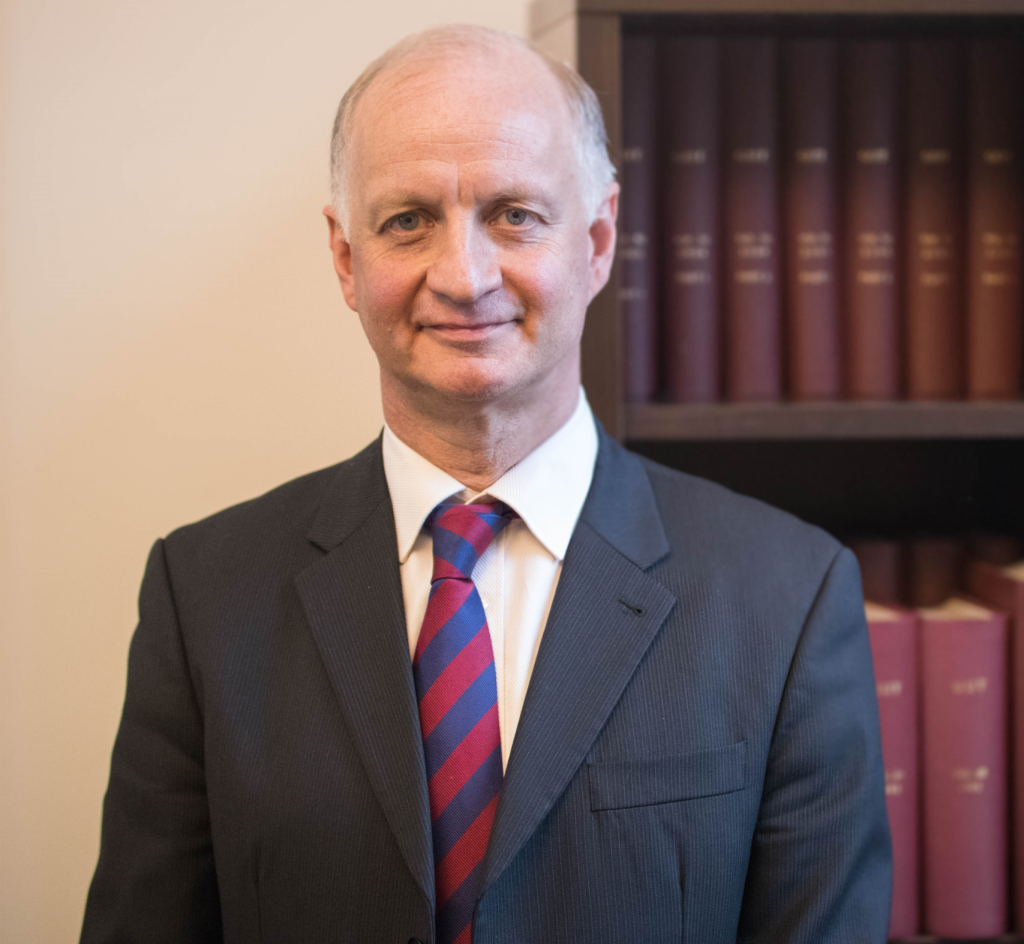
Featured Presenter
Prof Stephen Attwood, MD, FRCSI
Expert since first identifying EoE in 1987
Since identifying EoE and publishing the first description of the disease, Dr Attwood has spent his career caring for patients with EoE, providing minimally invasive treatment for upper gastrointestinal disorders, including endoscopy and laparoscopic surgery.
What you will master
These 5 learning modules and accompanying reading materials cover everything from foundational knowledge to practical strategies.
Module 1. Definition, Aetiology & Epidemiology
Describe the anatomical structure and function of the oesophagus, including the epithelial barrier, immune system, and microbiome. Identify genetic variations and hereditary predispositions that increase susceptibility to EoE. Evaluate the impact of environmental influences on EoE epigenetics and the atopic march.
Examine the factors driving the increasing global prevalence of EoE and the resulting implications for long-term management and public health.
Module 2. Symptoms & Diagnosis
Recognise the diverse clinical presentations of EoE, including dysphagia, food impaction, and chest pain, to facilitate early identification. Outline the natural history of EoE and how symptoms evolve across the lifespan. Identify common adaptive eating behaviours used by patients to manage symptoms and evaluate their impact on long-term quality of life. Differentiate the characteristic endoscopic and histological findings of EoE. Contrast EoE with alternative causes of oesophageal eosinophilia.
Module 3. Clinical Course & Multidisciplinary Therapeutics
Summarise the current therapeutic options for EoE, including pharmacologic, endoscopic, and dietary approaches. Describe the roles of key multidisciplinary team members in EoE care. Apply evidence-based strategies to monitor treatment response and adjust therapy. Recognise the psychosocial impact of EoE and identify approaches to support mental health and well-being.
Module 4. Focus on EoE Elimination Diets – Empiric Elimination Diets
Evaluate the clinical efficacy, implementation, and protocols of step-up versus step-down empiric elimination diets. Assess the limitations and lack of accuracy of standard allergy when trying to predict or direct specific food triggers for dietary restriction therapy in EoE patients. Identify structural, nutritional, and psychosocial barriers to long-term dietary compliance. Learn how to individualise the Nutrition Care Process to monitor dietary adherence and address concurrent allergic conditions. Understand food and dietary patterns that may favourably influence oesophageal inflammation.
Module 5. Long-Term Management & Future Directions
Apply multi-dimensional techniques for evaluating disease activity in EoE, including symptom assessment, endoscopy, histology, and adjunctive tests. Perform endoscopic surveillance at the appropriate interval, differentiating between patients with active disease and those in remission. Recognise other methods for disease surveillance. Employ appropriate strategies for maintenance therapy in EoE patients who have responded to treatment.
Earn Professional Development Credits
This course is prior-approved by the Commission of Dietetic Registration for 11.5 CPEUs. Multidisciplinary clinicians can also claim CPD through their professional governing body. Once completed, receive a Certificate of Completion to proudly display in the clinic or add to your resume.

Our Team of experts in our field
Meet Our Global Experts: EoE Course Presenters
Our experts provide evidence-based education, drawing on cutting-edge research and the experience of leading professionals worldwide to help you practice with confidence.

Dr Isabel Skypala
Consultant Allergy Dietitian
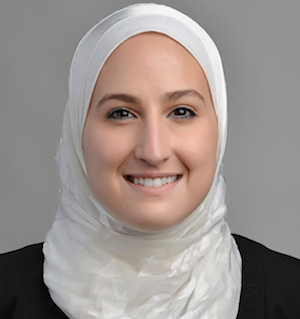
Dr Mayssan Mufath
Gastroenterologist

Dr Annabel Clancy
Research Dietitian

Dr Joy Chang
Academic Gastroenterologist
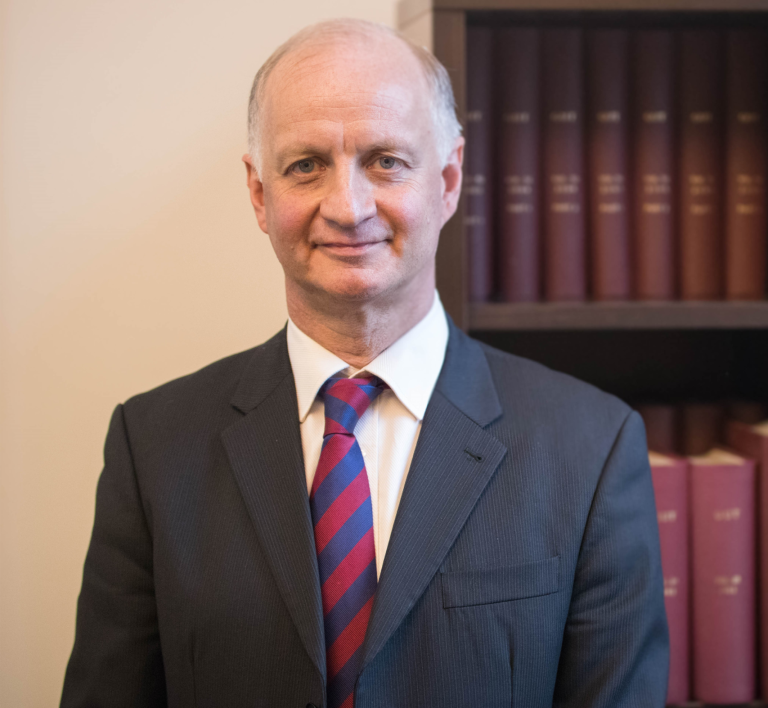
Prof Stephen Attwood
Honorary Professor

Ready to Master Eosinophilic Oesophagitis Management?
Gain all-inclusive access to this specialised course, plus our entire library of expert-led education and resources to transform your practice.
The Gut Health Hub: Latest Insights and Research

FODMAPs & Calcium (Hindi)
FODMAPs & Calcium (Italian)
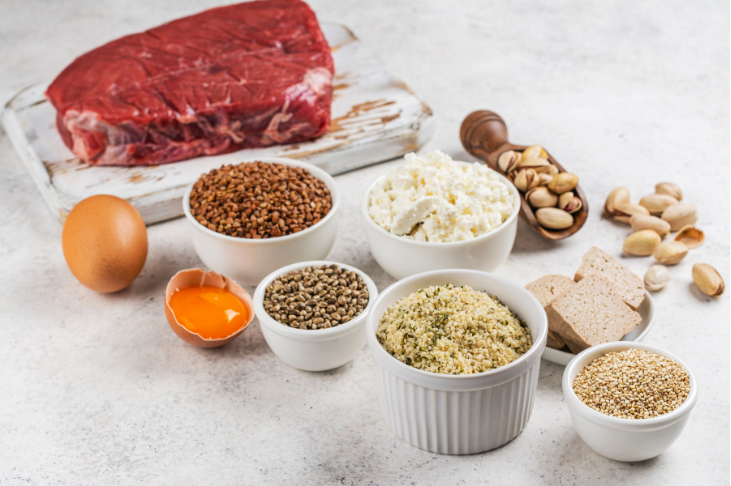
FODMAPs & Iron (Italian)

Indications & Contraindications of the Low FODMAP Diet (German)
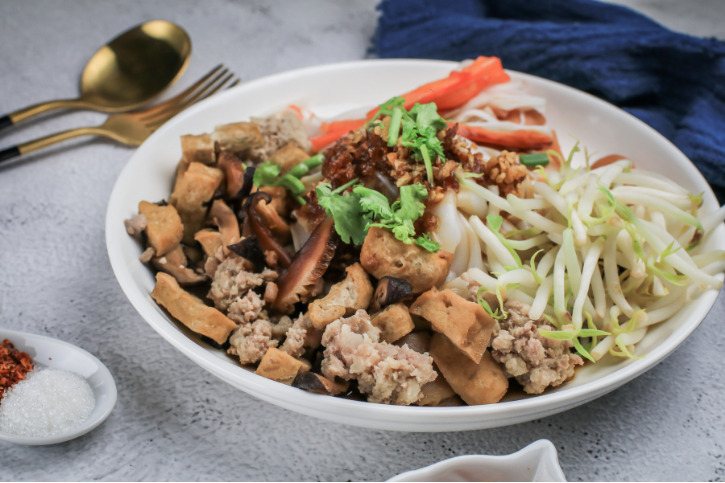
Low FODMAP Vegan Menu (French)
Low FODMAP Diet: Phase 3 Cheat Sheet (Arabic)
Low FODMAP Diet: Phase 3 Cheat Sheet (German)

Low FODMAP Diet: Phase 2 Cheat Sheet (German)

Low FODMAP Diet: Phase 1 Cheat Sheet (German)

Understanding IBS & FODMAPs (German)

Simplified Low FODMAP Diet (German)

FODMAP Re-Introduction Challenge Schedule (German)

Polyols: Sorbitol, Mannitol & More (German)
Oligosaccharides: Fructans & GOS (German)