
Our Inaugural Course
IBS Management: The Low FODMAP Diet
Our inaugural course gives you a comprehensive understanding of Irritable Bowel Syndrome (IBS) and how to effectively manage it with the low FODMAP diet alongside other nutritional, medical and lifestyle interventions.

11.5 CPEUs
Enhance your clinical practice.
Comprehensive understanding
Provide Symptom Relief with Evidence-Based Strategies
This comprehensive educational course was specifically designed to address a global knowledge gap on IBS and the low FODAMP diet.

Master Evidence-Based Practice
Integrate the Low FODMAP Diet effectively into clinical practice. This course delivers practical, evidence-based strategies to provide relief from IBS, a condition which impacts an estimated 15% of the globe.

Achieve Global Expertise
Learn from a global network of leading GI experts with experienced insights and diverse viewpoints. Know when and how to implement the low FODMAP Diet safely and effectively.

Practical Insights
This course equips healthcare professionals with practical, real-world tools, clinical insights, and case studies designed to strengthen patient care and support informed management approaches.

Featured Presenter
Tamara Duker Freuman
Expert in gastrointestinal nutrition
Tamara is a New York City-based RD with over fifteen years of experience in clinical gastroenterology practice settings, specialising in the dietary management of digestive symptoms and diseases.
What you will master in this comprehensive training
These 10 learning modules incorporate up-to-date evidence-based research and are developed by global experts, including gastroenterologists and dietitians.
Module 1. Introduction & Overview of IBS
Define IBS prevalence and pathophysiology, including the gut-brain axis and Disorders of the Gut-Brain Interaction. Learn to exclude key organic diseases, such as coeliac disease, bile acid diarrhoea, and microscopic colitis, before diagnosis.
Module 2. Dietary Management of IBS
Explore the roles of fat, carbohydrates, and fibre in IBS symptoms. Receive a foundational introduction to FODMAPs and the mechanisms of action of symptoms development.
Module 3. FODMAPs in Food: Distinguishing high and low FODMAP foods
Understand the methods and cut-off values used to classify FODMAPs in food. Examine the impact of food processing, bioprocessing, and enzymes on food’s FODMAP composition.
Module 4. Assessing Indications & Contraindications
Establish an accurate IBS diagnosis and expertly assess patient suitability for the low FODMAP Diet. Learn to identify at-risk groups and understand protocols for monitoring food intake and symptoms.
Module 5. Implementing Phase 1: Elimination Phase
Identify clear goals and expertly manage patient expectations for the elimination phase. Master the ‘Bucket Concept’ and learn practical strategies for low FODMAP meal planning and food label reading.
Module 6. Implementing Phase 2: Reviewing Your Patient
Gain skills in troubleshooting the low FODMAP Diet, including addressing FODMAP stacking, dietary fat intake, and non-FODMAP dietary triggers. Assess differential diagnoses such as small intestinal bacterial overgrowth (SIBO) and congenital sucrase-isomaltase deficiency (CSID).
Module 7. Implementing Phase 3: Liberalising Your Patient’s Diet
Understand the aims and clinical importance of the liberalisation phase. Cover the use of probiotics, prebiotics, digestive enzymes, and advanced strategies for rechallenging failed FODMAPs.
Module 8. Nutrients at Risk When Following the Low FODMAP Diet
Identify common at-risk nutrients and potential nutritional gaps when following the low FODMAP diet. Address the diet’s effect on the gut microbiome and the risk factors for dietary inadequacy and disordered eating.
Module 9. The Low FODMAP Diet for Other Conditions
Review the practical role of the low FODMAP Diet in managing conditions such as SIBO, inflammatory bowel disease (IBD), colic, polycystic ovary syndrome (PCOS), and endometriosis.
Module 10. Case Study Assessments
Apply your clinical knowledge and build confidence through real-world case study assessments, bridging the gap between theory and clinical practice.
Earn Professional Development Credits
This course is prior-approved by the Commission of Dietetic Registration for 2.5 CPEUs. Multidisciplinary clinicians can also claim CPD through their professional governing body. Once completed, receive a Certificate of Completion to proudly display in the clinic or add to your resume.

Our Team of experts in our field
Meet Our Global Experts: CSID Course Presenters
Our experts provide evidence-based education, compiling cutting-edge research and experience from leading professionals around the world to support you to practice with confidence.

Tamara Duker Freuman
Registered Dietitian

Dr William D. Chey
Professor of Gastroenterology & Nutrition Sciences

Dr Stine Störsrud
Registered Dietitian

Emily Haller
Registered Dietitian

Laura Manning
Registered Dietitian

Andrea Hardy
Registered Dietitian

Beth Rosen
Registered Dietitian

Rebecca Ponsford
Accredited Practising Dietitian

Kirsten Jackson, RD
Registered Dietitian

Ready to Master CSID Management and Optimise Patient Outcomes?
Gain the specialised knowledge and skills to confidently manage CSID while earning CPD through this expert-led, evidence-based program.
The Gut Health Hub: Latest Research and Specialized Insights
FODMAPs & Calcium (Italian)
FODMAPs & Calcium (Italian)
FODMAPs & Iron (Italian)

Indications & Contraindications of the Low FODMAP Diet (German)
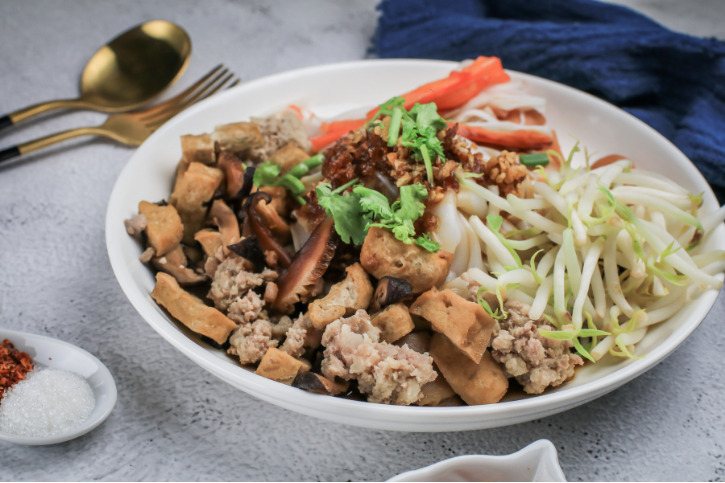
Low FODMAP Vegan Menu (French)
Low FODMAP Diet: Phase 3 Cheat Sheet (Arabic)
Low FODMAP Diet: Phase 3 Cheat Sheet (German)
Low FODMAP Diet: Phase 2 Cheat Sheet (German)
Low FODMAP Diet: Phase 1 Cheat Sheet (German)

Understanding IBS & FODMAPs (German)

Simplified Low FODMAP Diet (German)

FODMAP Re-Introduction Challenge Schedule (German)

Polyols: Sorbitol, Mannitol & More (German)
Oligosaccharides: Fructans & GOS (German)